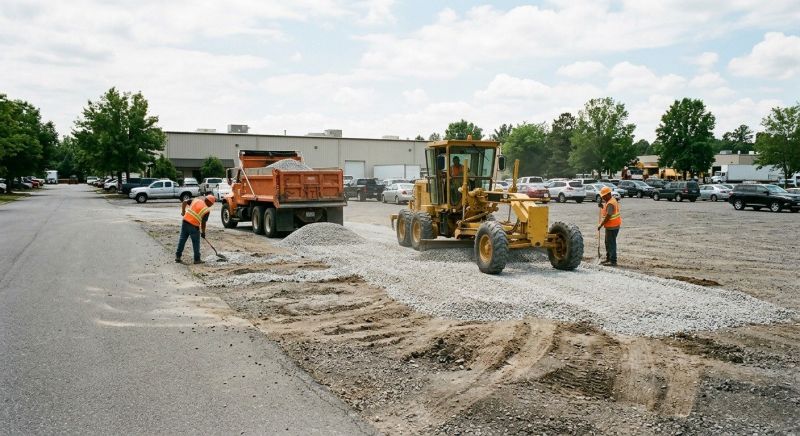
Parking Lot Leveling in Houston, TX
Parking lot leveling services involve adjusting the surface of a parking area to create a smooth, even surface. This process is often used to correct uneven or sunken sections, improve drainage, and prepare the lot for sealing or resurfacing. Projects can range from small repairs on residential driveways or private parking pads to larger commercial lots requiring extensive grading and leveling. Property owners typically seek this service to enhance safety, prevent water pooling, and maintain a professional appearance for their property.
Before requesting parking lot leveling, property owners should consider the current condition of the surface, including any existing cracks, potholes, or drainage issues. It's also helpful to understand the scope of the project, such as the total area to be leveled and the underlying soil or base materials involved. Proper planning ensures the surface remains durable and functional, supporting vehicles and foot traffic effectively over time.
Many property owners in Houston, TX look into Parking Lot Leveling for repairs, replacements, upgrades, and appearance-related improvements.
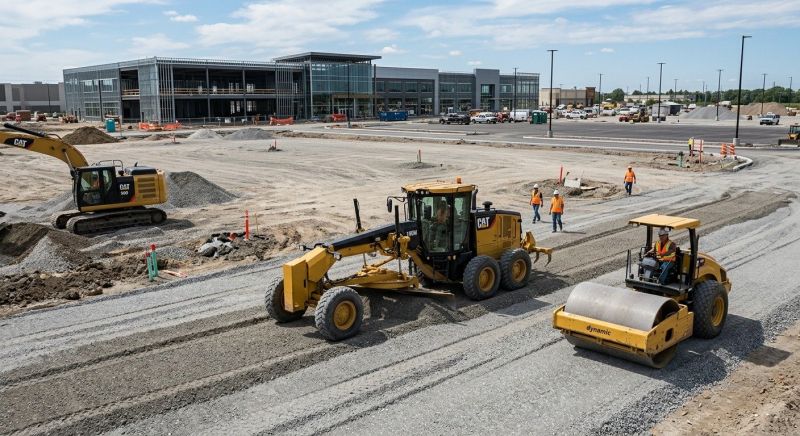
Benefits Of Parking Lot Leveling
Proper leveling improves safety and prevents vehicle damage on your property.
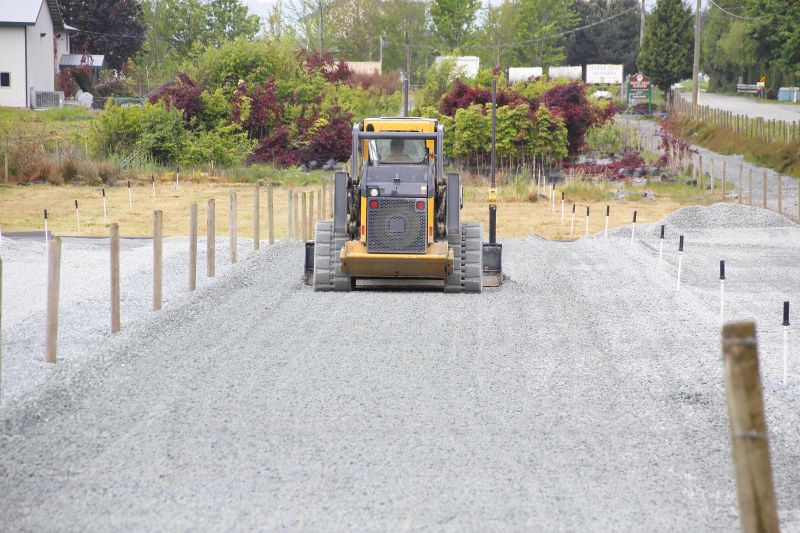
Common Parking Lot Issues
Uneven surfaces, potholes, and drainage problems are typical concerns addressed by leveling services.
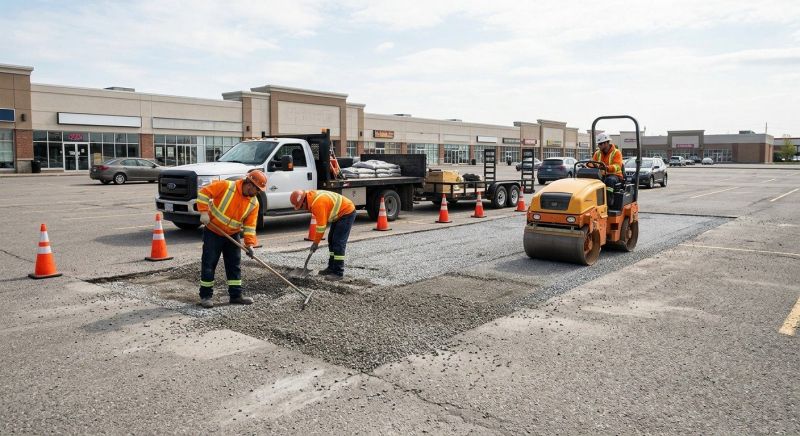
Materials And Techniques Used
A variety of leveling methods and materials are employed to ensure a durable, smooth parking surface in houston, tx.
Parking Lot Leveling in Houston, TX
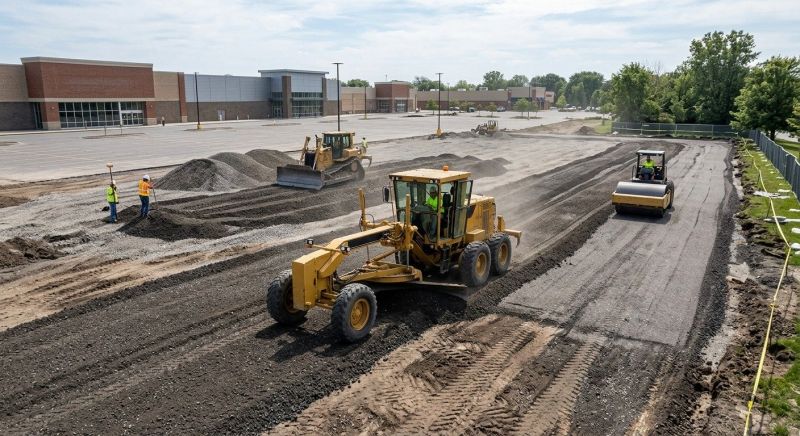
Parking lot leveling services involve adjusting the surface of a parking area to create a smooth, even surface. This process is often used to correct uneven or sunken sections, improve drainage, and prepare the lot for sealing or resurfacing. Projects can range from small repairs on residential driveways or private parking pads to larger commercial lots requiring extensive grading and leveling. Property owners typically seek this service to enhance safety, prevent water pooling, and maintain a professional appearance for their property.
Before requesting parking lot leveling, property owners should consider the current condition of the surface, including any existing cracks, potholes, or drainage issues. It's also helpful to understand the scope of the project, such as the total area to be leveled and the underlying soil or base materials involved. Proper planning ensures the surface remains durable and functional, supporting vehicles and foot traffic effectively over time.
Many property owners in Houston, TX look into Parking Lot Leveling for repairs, replacements, upgrades, and appearance-related improvements.
Common Parking Lot Leveling Jobs
Parking lot leveling involves correcting uneven surfaces to ensure safety and proper drainage.
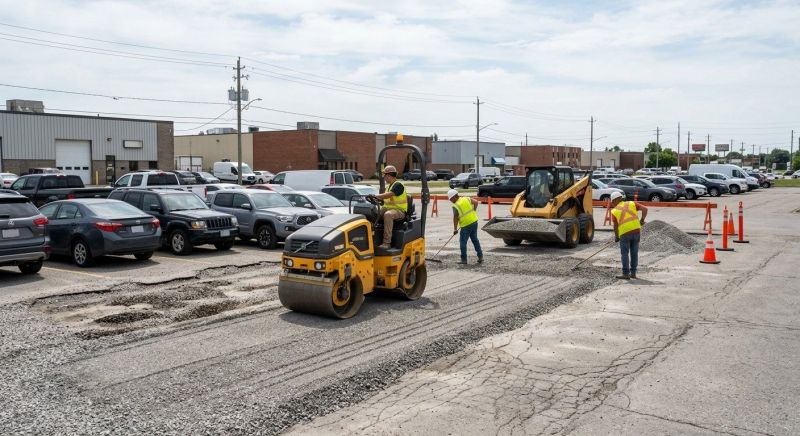
Asphalt and concrete parking lots can develop dips and high spots that require smoothing.
Property owners often request leveling to prevent water pooling and reduce trip hazards.
Driveway and lot surfaces can be regraded to restore a flat, even appearance.
Uneven pavement can lead to further damage if not addressed promptly.
Leveling services help maintain the longevity and functionality of parking areas.
Parking Lot Leveling Questions
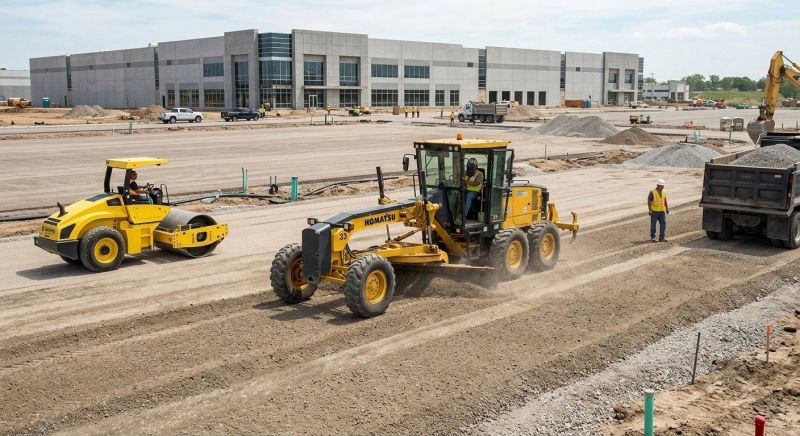
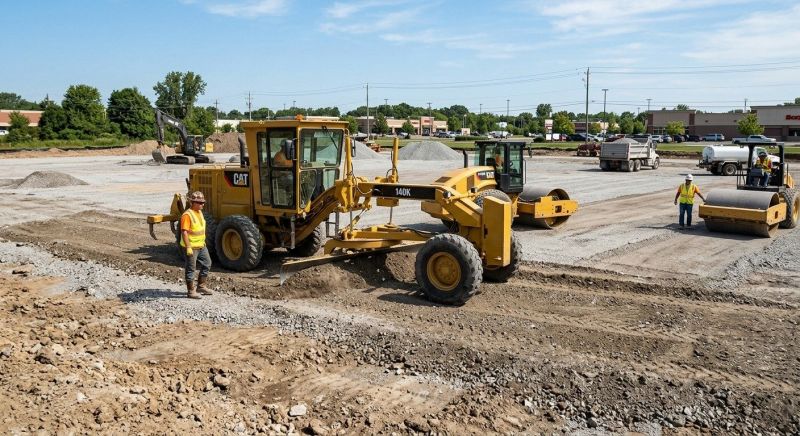
What is parking lot leveling? Parking lot leveling involves adjusting the surface to create a smooth, even surface, reducing uneven spots and dips.
Why is leveling important for parking lots? Proper leveling improves safety by preventing trip hazards and ensures proper drainage to avoid water pooling.
What types of parking lots can benefit from leveling? Both asphalt and concrete parking lots with uneven surfaces, cracks, or settling issues can benefit from leveling services.
How does parking lot leveling improve property value? An even, well-maintained parking area enhances curb appeal and creates a safer environment for visitors and tenants.
Request Parking Lot Leveling in Houston, TX
Use the quote form on this page to share the basics of your project and request more information for the type of work you need.